
Studio B
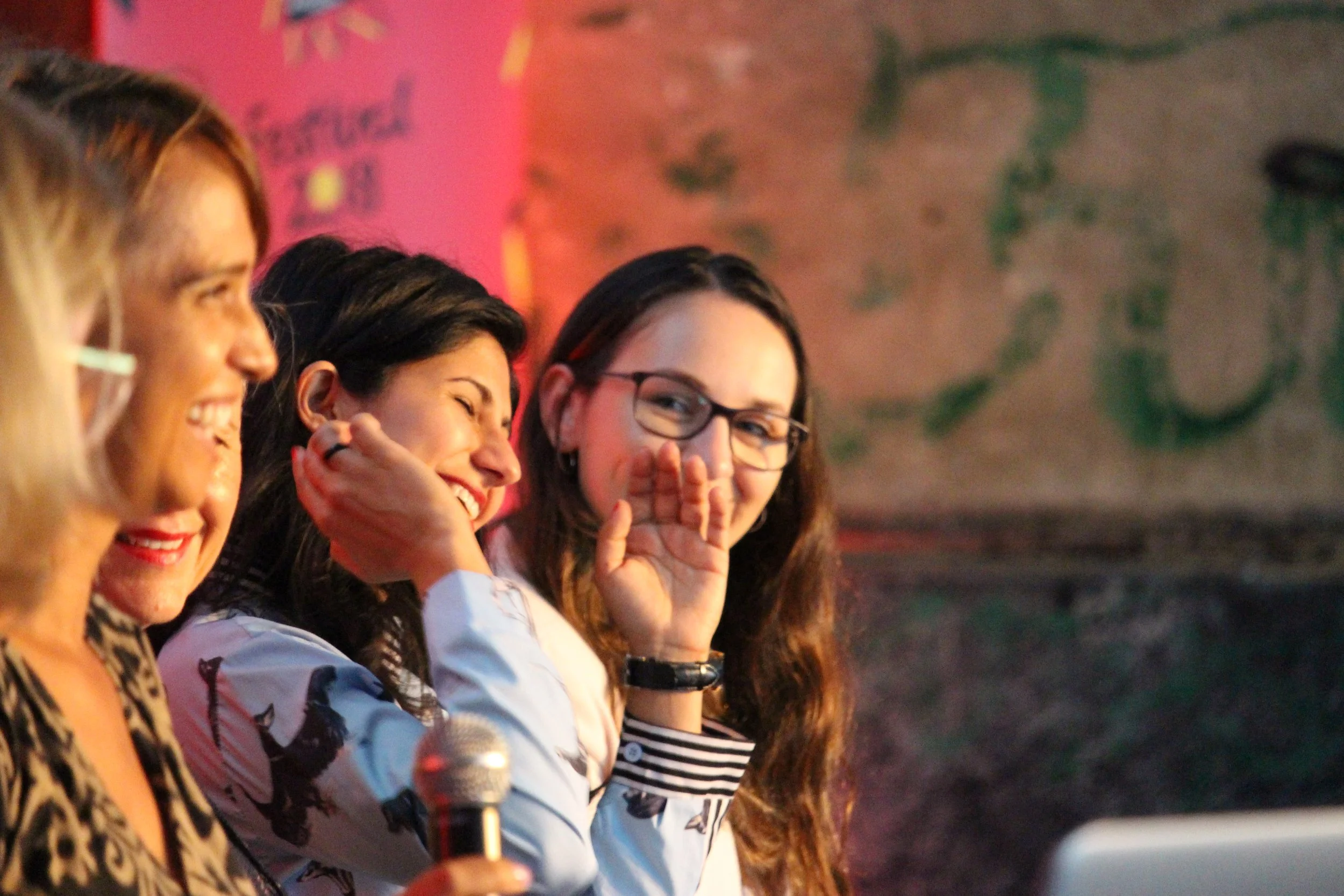
An audience favourite, WOW Bites are short talks, performances and soapbox moments on a wide range of subjects, designed to inspire, engage and introduce new ideas from local women and festival guests.
This session is facilitated by musician and advocate Deb Suckling, and features:
Diana Sheedy on grassroots gender equality with Zonta Cairns
Queer electronic art duo The Ironing Maidens
Celebrated First Nations dance leader Rita Pryce.
Speakers
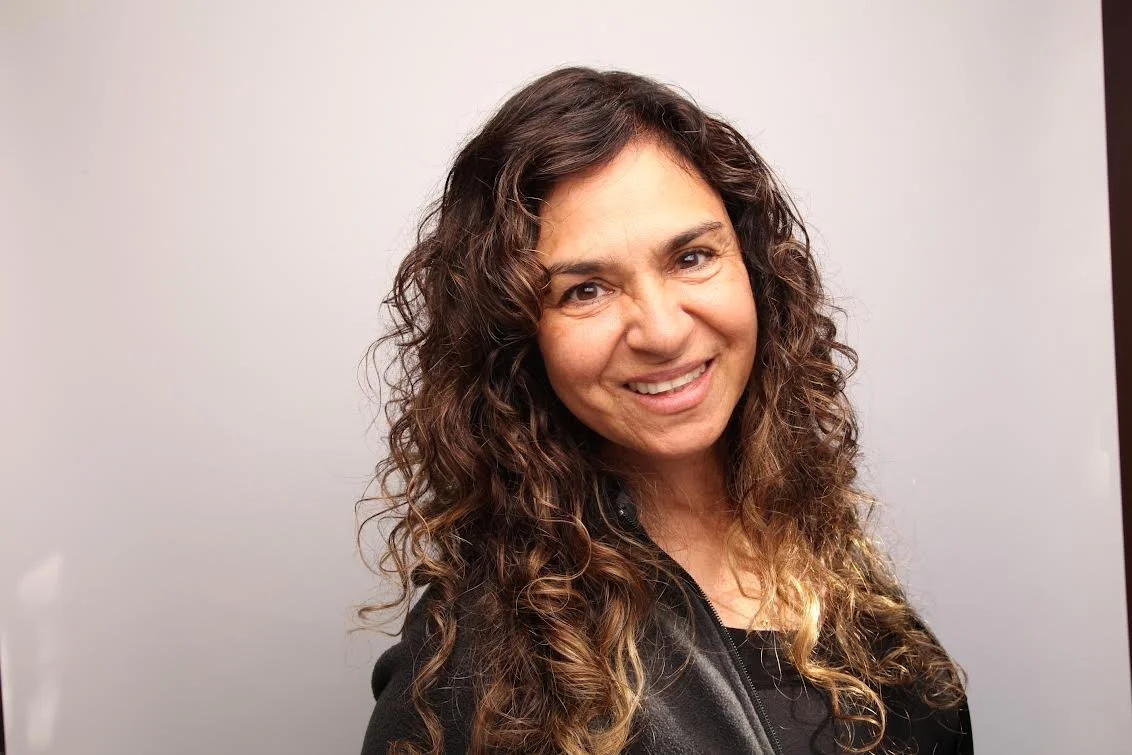
Rita Pryce
Rita Pryce is a Kulkalgal and Kawrareg woman, a nationally recognised creative leader, Cultural ambassador and performing arts practitioner. With a career spanning dance, Cultural development, leadership, education and arts innovation,
Rita has built a reputation for challenging conventional thinking and creating pathways for First Nations talent across regional and remote Australia. As Artistic Director of Pryce Centre for Culture and Arts, she continues to champion young people and emerging artists across Far North Queensland communities and the Torres Strait.
An ACCELERATE Leadership Award recipient and Arts Leaders Program alumna, Rita is also a passionate advocate for child safety in dance, advocating for Culturally safe, inclusive and protective environments where young people can flourish.
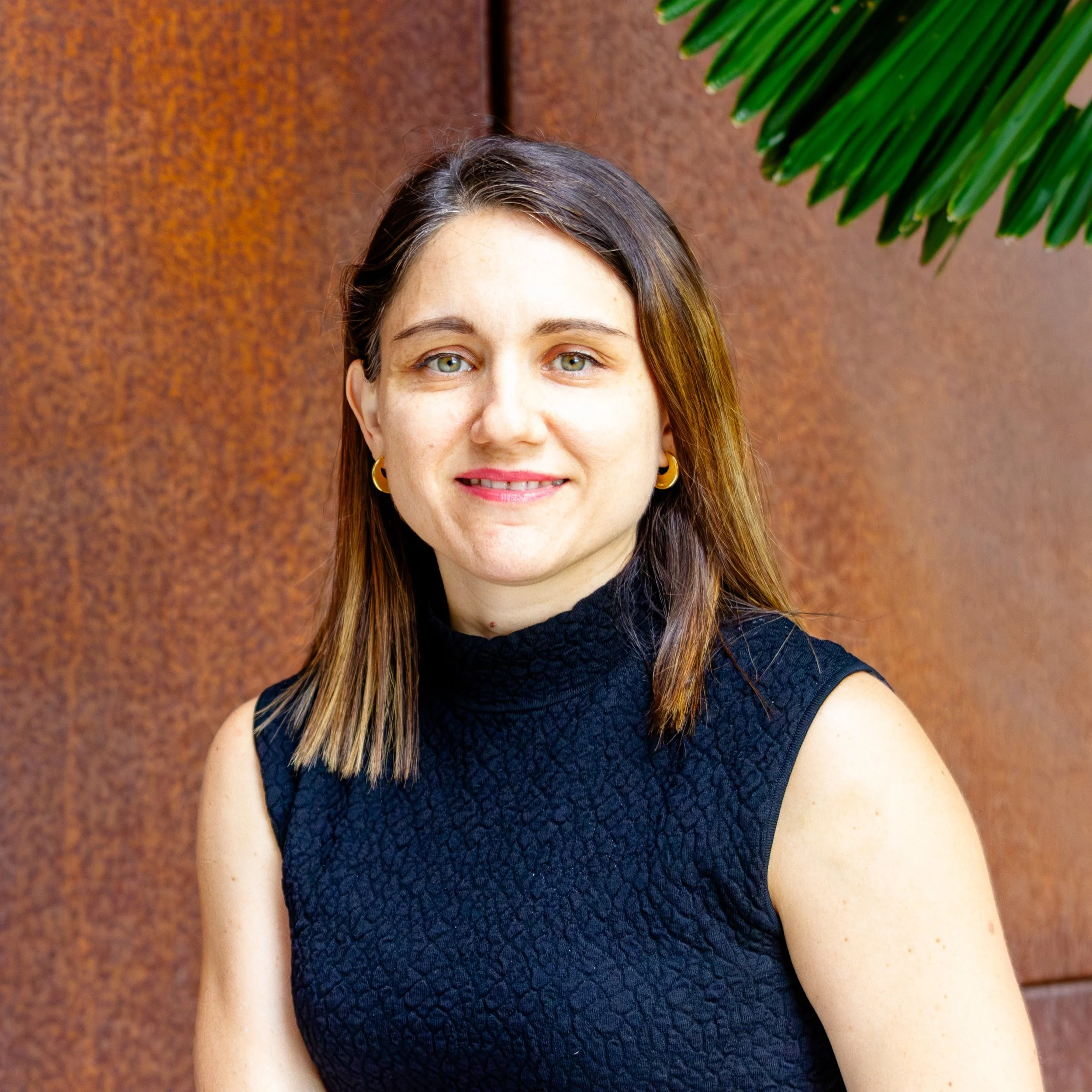
Diana Sheedy
Zonta Cairns will explore the power of collective action to advance gender equality at a local level. The presentation will briefly consider the gender inequalities affecting women and girls, particularly within regional communities, before showcasing how Zonta Cairns translates advocacy into practical action through education, scholarships, community initiatives, partnerships and support for women and girls.
Drawing on local examples, member experiences and stories of impact, the presentation will demonstrate what can be achieved when a group of volunteers comes together around a shared purpose. Rather than simply describing what Zonta does, the presentation will ask a broader question: how can each of us contribute to creating change for women and girls in our own community? The session aims to leave the audience with a stronger understanding of Zonta’s local impact and the potential for collective action to create meaningful change
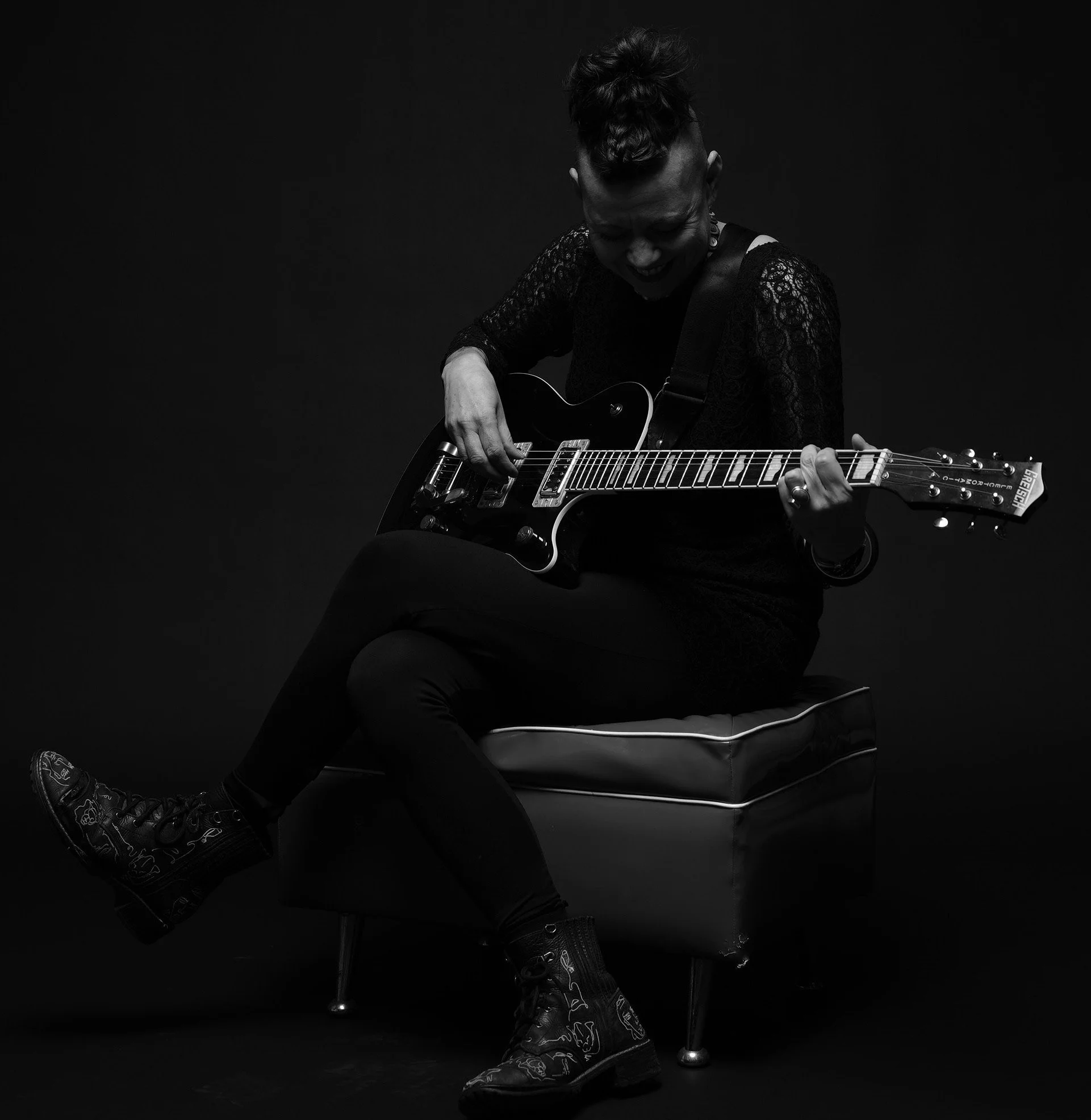
Deb Suckling
Deb Suckling has worked in the music industry for 3 decades. A singer/songwriter/label owner/manager and event manager, Deb has done many things in her 30 odd year career.
Deb worked for QMusic for many years, setting up the Queensland Music Awards. She has run songwriting programs elevating women across the country and telling women’s stories including The Soldier’s Wife, Big Sky Girls and her most recent project is working with young people on a live onstage program - The Brisbane Teenage Fanclub.
Deb is a survivor of early childhood sexual assault and teenage partner DV and ran a massive nationwide program in the music industry called #noton - encouraging the music industry to get behind - I am making noise to end violence against women.
Deb is passionate about making change through music as a shared language to address trauma and heal through music. Deb s also engaged with the gender in-equailty and ongoing sexual assault that is rife in the music industry and ensuring a safe future for all artists.
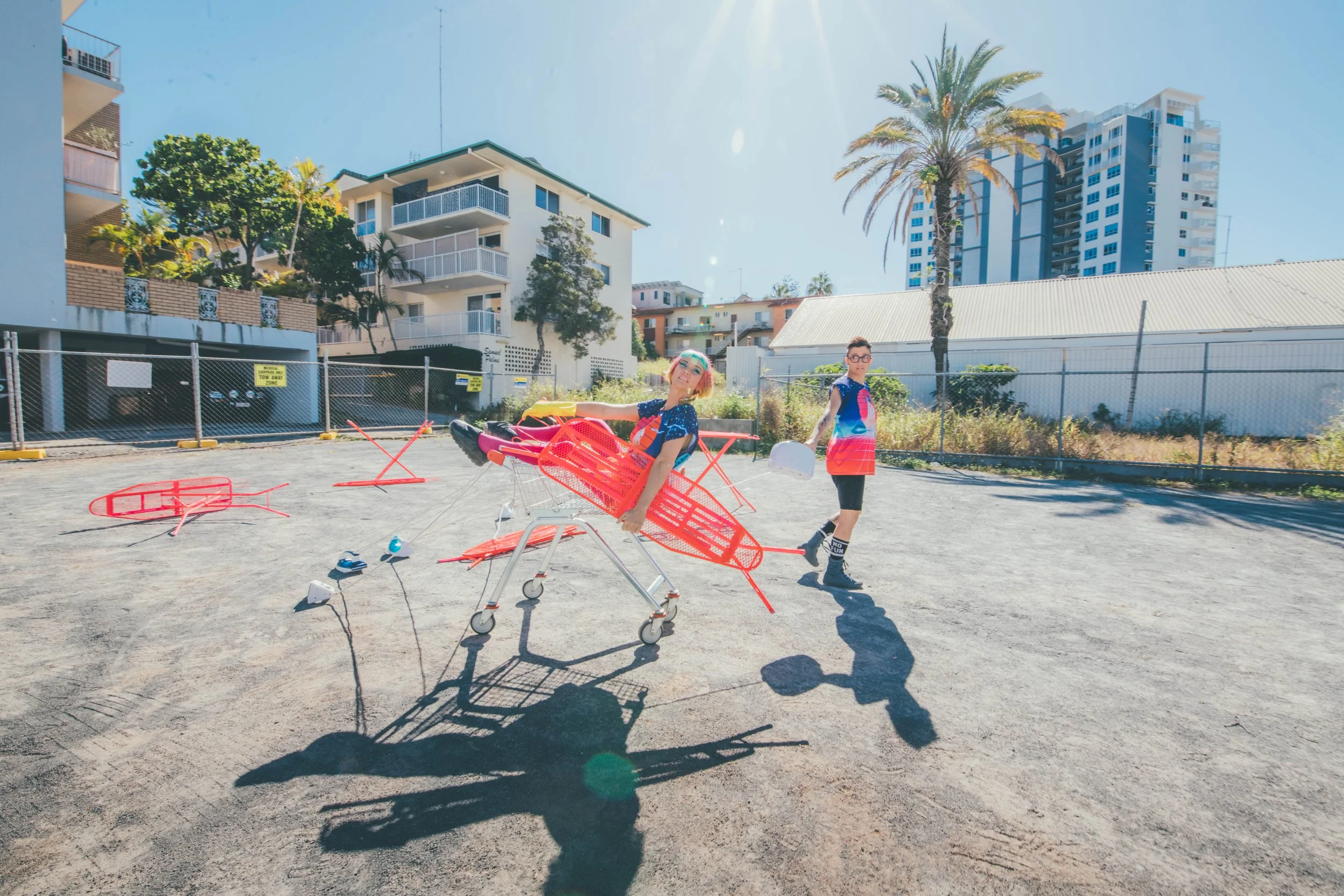
The Ironing Maidens
Patty Preece and Melania Jack are producers, artists and social practitioners whose work spans electronic music, sound art, performance, installation and experimental instrument design. Together, they form The Ironing Maidens, a queer electronic arts project exploring the intersections of gender, labour, technology, climate and collective experience. Their work has travelled from Thargomindah to Mexico City, from festival stages in Australia and Europe to international conferences, contemporary art galleries and laundromats in remote and regional towns. Moving between experimental art, research and the dance floor, they have embraced diversity as a creative strategy — and as a practical means of keeping two queer, fringe-based artistic careers alive and kicking.
Their recent work Hot & Heavy uses the queer dance floor as a space to explore collective action, queer joy and the messy possibilities in a climate-changed world. Both artists bring research-led, community engaged approaches to their practice, drawing on queer, feminist and posthuman thinking alongside experimentation, improvisation and humour.